Apply for UTR Number: Step-by-Step HMRC Self Assessment Registration and Timeline Guide

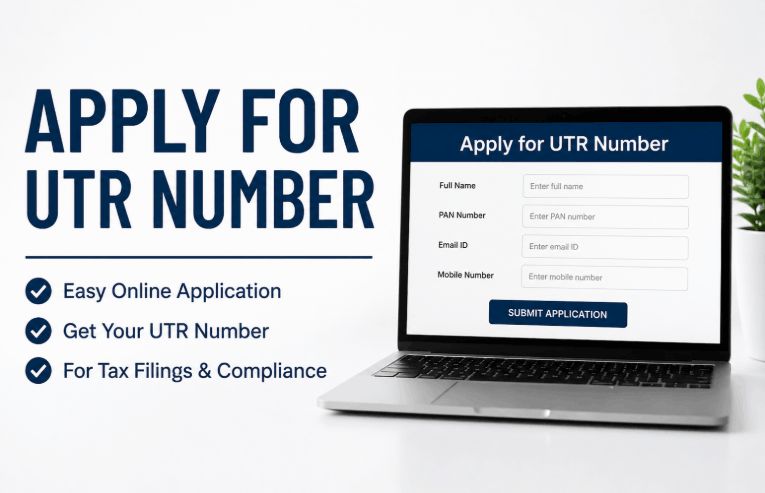
Applying for a UTR number means registering with HM Revenue and Customs for Self Assessment or incorporating through Companies House, since HMRC never issues a Unique Taxpayer Reference through a standalone application form.
It posts the ten digit reference automatically, and Self Assessment registration is due by 5 October 2026 for the current tax year.
Key Takeaways
- HMRC issues a UTR number automatically after Self Assessment registration or incorporation, never through a separate application form.
- Self Assessment registration for the 2025 to 2026 tax year must be completed by 5 October 2026.
- A personal UTR usually arrives by post within about 15 working days, longer for applicants living overseas.
Who Needs to Apply for UTR Number?
Anyone who must complete a Self Assessment tax return needs a UTR number, since HM Revenue and Customs cannot process a return without one. The ten-digit reference links every submission, payment, and phone call directly to a single taxpayer record.
These groups typically need to register for a UTR number.
- Sole traders and self employed workers earning income outside PAYE.
- Company directors who receive dividends or other untaxed income.
- Landlords with rental income above the Self Assessment threshold.
- Partners in a registered business partnership.
- Self employed workers choosing to pay voluntary Class 2 National Insurance Contributions.
Employees taxed entirely through PAYE rarely need a UTR, unless a second income source triggers a Self Assessment requirement. The same registration route also applies to anyone running a sole trader business alongside other income, rather than as a sole source of earnings.
Sole traders whose turnover grows during the year should also keep track of the VAT threshold 2025, since crossing it creates a separate registration requirement alongside Self Assessment.
Registering as soon as the requirement is clear avoids a rushed application near the 5 October 2026 deadline.

What does applying for a UTR number actually involve?
HMRC never issues a UTR number through its own dedicated application form, even though many people assume one exists.
Registering for Self Assessment, or incorporating a company through Companies House, is the actual mechanism, and the ten digit reference simply follows as a result.
This distinction matters because applying for a UTR number is often described as a separate step from registering for Self Assessment, which creates confusion about where to start.
The widely circulated claim is that a UTR number can be applied for directly through its own application process. The correct position is that no standalone UTR application exists.
HMRC issues the reference automatically once Self Assessment registration or company incorporation is complete.
This is confirmed directly by GOV.UK’s Register for Self Assessment guidance, which routes every applicant through the same registration tool rather than a separate UTR form.
Understanding this mechanism first prevents wasted time searching for a form that does not exist, before working through the steps involved.
What You Need Before You Start the Application?
Gather personal and business details before opening the registration form, since HMRC will reject an incomplete application. Five pieces of information are required for almost every registration route.
Have these details ready before starting.
- Full name, date of birth, and home address.
- National Insurance number.
- A valid email address and mobile number for the Government Gateway account.
- The date self employment or business activity began.
- A description of the trade, profession, or business being registered.
Limited companies provide similar core details directly to Companies House at incorporation, and several of these same details are required for that process too.
Once active, a Government Gateway account also serves as the HMRC online account, where the UTR appears alongside other tax records later on.

How to Apply for UTR Number Step by Step?
The process for applying for a UTR number runs through Self Assessment registration online or by post, with HMRC posting the ten digit reference to the home address either way.
Registering directly through GOV.UK costs nothing, and no third party fee is ever required to receive a UTR.
Applying Online
- Visit GOV.UK and search for register for self assessment.
- Create or sign in to a Government Gateway account.
- Select the option matching the relevant situation, such as self employed or sole trader.
- Enter personal and business details exactly as requested.
- Submit the form and note the reference number for tracking.
Applying by Post
- Download Form SA1 if not self employed but needing to file a return, or Form CWF1 if becoming self employed
- Complete every section in full, since missing answers delay processing.
- Post the form to the address shown on the form itself.
- Wait for the UTR to arrive by post, since HMRC does not issue it by phone or email.
Whichever route is chosen, keeping a copy of everything submitted is worthwhile until the UTR letter arrives. HMRC also posts a separate activation code afterward, which is needed before filing can begin through the online account.
How long does it take to get a UTR Number?
A personal UTR typically arrives by post within about 15 working days of registering online, while overseas applicants should allow closer to 21 working days. Company UTRs generally arrive faster, since Companies House notifies HMRC automatically at the point of incorporation.
A UTR number cannot be requested for faster delivery, since HMRC sends every reference by post for security reasons rather than email or text.
Paying to expedite a Self Assessment or company registration through a third party does not change HMRC’s own internal posting timetable.
| Registration Route | Typical Time to Receive UTR |
|---|---|
| Personal, registered online | About 15 working days |
| Personal, registered by post | Several weeks, often longer than online |
| Personal, applicant living overseas | About 21 working days |
| Company, via Companies House incorporation | About 14 days |
These timeframes are approximate, since processing speed varies with HMRC’s workload, especially close to the 5 October 2026 deadline. Checking GOV.UK directly remains the most reliable way to confirm current waiting times.

Applying for UTR Number as a Limited Company
A limited company never applies for its own UTR, since HMRC issues one automatically once Companies House confirms incorporation. The reference is sent by post to the company’s registered office, usually within about 14 days.
A company UTR differs from a personal UTR in a few key respects.
- It belongs to the business entity itself, not to any individual director.
- It is required to file the company’s Corporation Tax return, the CT600.
- It appears on the letter HMRC sends shortly after incorporation, often titled a notice to deliver a company tax return.
- Directors still need a separate personal UTR if they file their own Self Assessment return for dividends or other income.
Directors who also hold a second PAYE role should check their payslip carefully, since the Tax Code BR meaning often explains why personal allowance has already been applied elsewhere.
This same company UTR, also triggers Corporation Tax registration once trading begins, even for companies that started out dormant.
A company director should expect to manage two different UTR numbers side by side once dividends or additional income enter the picture.
What to Do If You Lose Your UTR Number?
Checking official HMRC documents first is the fastest route when a UTR number goes missing, since it appears on several letters most people have already received.
In most cases, checking these sources is enough, without needing to contact HMRC at all.
Follow these steps in order.
- Look at the SA100 tax return, the welcome letter, or any payment reminder from HMRC.
- Log into the personal tax account on GOV.UK to view the UTR online.
- Open the HMRC app, where the UTR is shown under account details.
- Call the Self Assessment Helpline on 0300 200 3310 if none of the above works, having a National Insurance number ready.
HMRC will not give a UTR to anyone unable to verify their identity over the phone, so proof of identity should be ready before calling. Keeping a digital copy once found avoids repeating the same search in future.

Common Myths About Applying for UTR Number
Several persistent myths about applying for a UTR number cause unnecessary delays, particularly around phone applications and same day issuance. None of these myths reflect how HMRC actually processes a UTR request.
| Myth | Reality |
|---|---|
| A UTR number can be applied for entirely over the phone. | Phone support exists for difficulties, but registration itself happens online or by post. |
| Self employed workers automatically receive a UTR the moment they start trading. | A UTR is issued only after Self Assessment registration is formally submitted and processed. |
| Limited companies must request their UTR separately from Companies House. | Companies House notifies HMRC automatically, so no separate UTR request is needed. |
| A lost UTR number means starting the whole registration again. | A lost UTR can usually be retrieved from existing documents or a personal tax account. |
| Paying an accountant guarantees a faster UTR. | HMRC's posting timetable is the same regardless of who submits the registration. |
Checking the actual GOV.UK guidance before assuming any of these claims are true saves both time and frustration during registration.
Conclusion
Registering for Self Assessment or incorporating through Companies House is what applying for a UTR number actually involves, not filling out a separate form.
The process requires personal details, a choice between online or postal registration, and a wait for HMRC’s letter. Applying for a UTR number means securing a tax identity for UK taxpayers in 2026.
FAQ
Is it possible to apply for UTR number over the phone?
No. HMRC handles registration online or by post; phone contact only supports existing applications, not new ones.
What is the difference between a UTR number and a National Insurance number?
A UTR identifies an individual’s tax record with HMRC, while a National Insurance number tracks contributions and state benefit entitlement separately.
Is a UTR number required for self employed workers?
Yes. Self employment income falls outside PAYE, so HMRC requires a UTR to process a Self Assessment return.
Is same day UTR number issuance possible?
No. HMRC posts every UTR by letter, with personal applications taking around 15 working days to arrive.
What happens if the registration deadline is missed?
A penalty may apply for late registration. The exact amount depends on individual circumstances, and current figures are available directly on GOV.UK.
Disclaimer: This article is for informational purposes only and does not constitute formal tax or legal advice; always consult GOV.UK or a certified accountant for official guidance.